
E-commerce · DOYJO
Custom WooCommerce Plugin Development
Make your store support the way your business sells. DOYJO builds custom WooCommerce plugins and connected tools for dealer accounts, product selection, checkout details, order communication, inventory rules and sales documents.
Work directly with Brian Bateman in Sheboygan, Wisconsin. Serving businesses locally and nationwide.
Build a connected store workflow
A store can need more than one extra feature. A dealer application affects account records. Product choices affect the item a customer orders. A purchase order number needs to stay with the order, and an invoice may need to reach an accounting contact as well as the buyer. Custom development connects these requirements around the people using the store.
DOYJO’s work includes comprehensive sets of WooCommerce tools as well as focused plugins. The scope starts with the business rule, the data it needs and the places where staff and customers interact with it. That gives each feature a clear purpose and keeps related parts of the workflow consistent.
DryAway Dealer: applications through order communication
The DryAway Dealer platform brings together a native WooCommerce account application, business and tax-certificate information, saved account fields, staff notifications and administrative review. Its custom product finder guides dealers through frames, depth, height, material and color.
Other tools handle accounts-payable recipients on invoice emails, purchase order information at checkout, order-count information in staff notifications and dated backorder messages. The suite also includes DOYJO adaptations of existing email-template and product-tab extensions. This is a working example of several tools serving one wholesale operation.
DryAway retail: product selection and availability
On DryAway’s retail website, a guided selector helps shoppers identify the right system configuration. Shared selection logic supports consistent product choices across the retail and dealer sites. Backorder controls provide product and variation settings, bulk editing and customer-facing availability messages.
Custom analytics extensions also connect shopping activity to the existing GA4 and Pinterest setup. The measurement work is scoped around the events already supplied by the store’s other integrations, so a new extension does not simply repeat those events.
Mac-Tech: product data becomes a sales tool
Mac-Tech’s machine sales-sheet plugin turns reviewed WooCommerce product information into shareable PDFs with QR links and controlled public or staff pricing. It connects an online catalog with the materials salespeople need during a conversation.
The same development approach can support quotation tools, product-data imports, account-specific information or other store operations. Each project needs its own data rules, permissions and review process.
A focused extension or a coordinated set of plugins
We can start with one recurring problem and expand the system in stages. Existing plugins remain useful building blocks when they fit the requirement. DOYJO can develop original functionality, extend a supported integration point or adapt an appropriate existing component; the scope identifies which approach the work needs.
Compatibility review includes the relevant checkout experience, order storage, theme and extensions. Testing follows the actual customer and staff paths, including incomplete information, permission differences and failed operations. Release planning covers installation, rollback and the support required as WooCommerce changes.
What should you bring to the first conversation?
Share your store URL, the plugins involved and one example of the task that currently needs a workaround. Include what the customer should see, what staff should control and what information must reach another system. Brian can then identify the smallest useful release and the related work that belongs in the same project.
Original project examples
See the work in context
Explore the business need and the documented scope in each case study. Examples include client work, DOYJO-owned platforms, historical projects and clearly identified demonstrations.
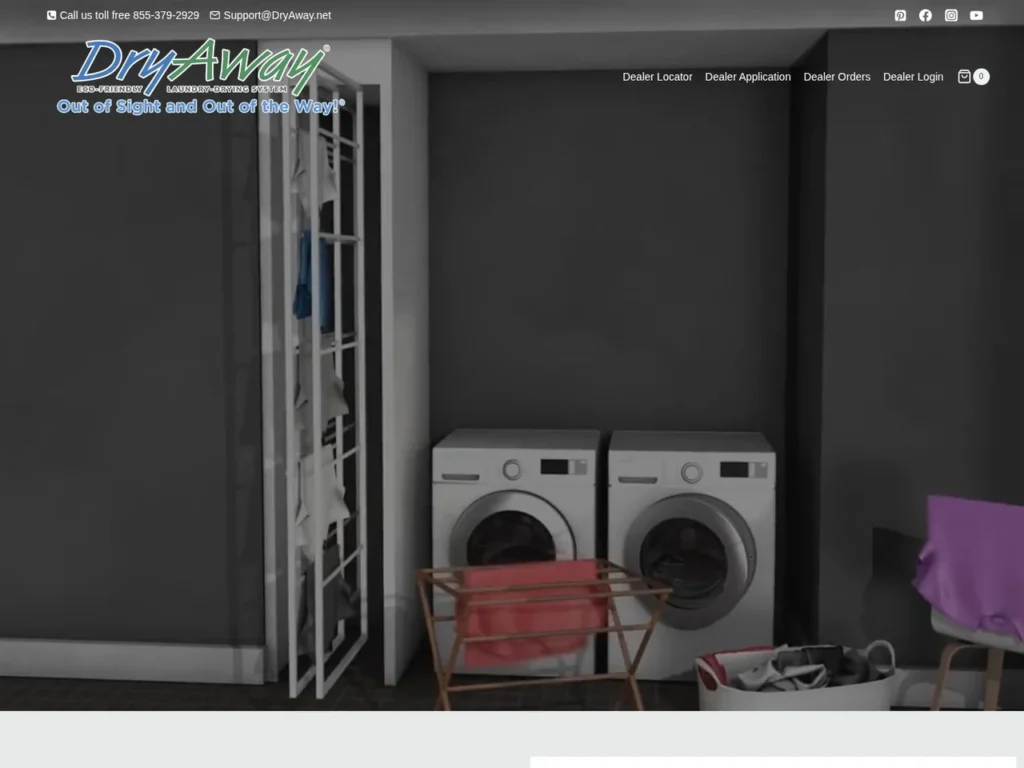
DryAway Dealer
A coordinated dealer suite: account applications, guided product selection, purchase order details, invoice recipients and backorder controls.
Read the case study →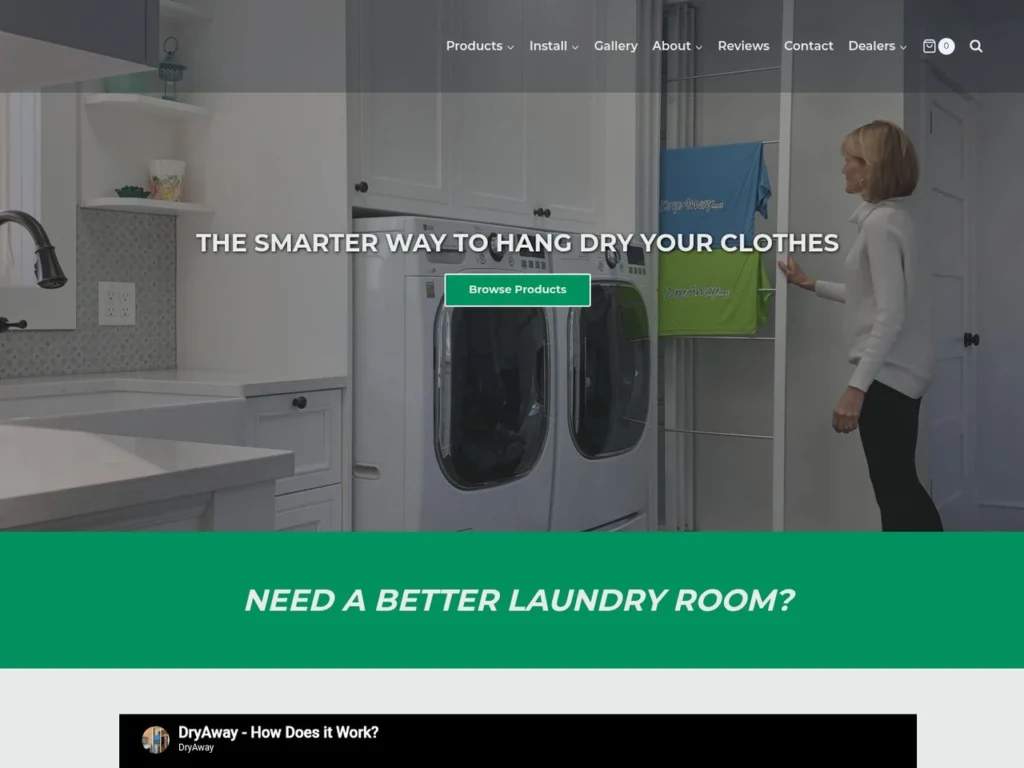
DryAway
Custom product selection, dated backorder controls and shopping-event integrations across the retail buying experience.
Read the case study →
Mac-Tech
A custom machine sales-sheet generator connects WooCommerce product data with PDFs, QR links and controlled pricing.
Read the case study →Related services
Let’s define the next step
Discuss your project with Brian
Tell Brian where the store workflow breaks down, who uses it and which products, accounts or orders are involved. Include the store URL, your current workaround and the result you want from a first release.